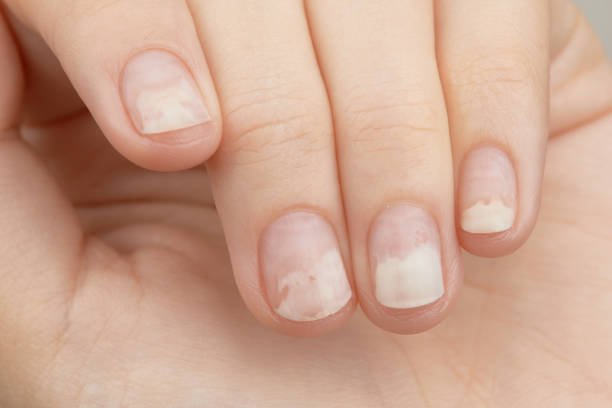
Nails are often overlooked, but they can reveal a lot about your overall health. When your nails start to change in color, texture, thickness, or shape, it may indicate an underlying skin, infection, or medical condition that needs attention.
Ignoring nail issues can lead to pain, spreading infections, and permanent damage. In this blog, we’ll explore common nail problems, what causes them, and when you should seek help from a dermatologist.
Why Nail Health Matters
Healthy nails are smooth, strong, pinkish, and uniform in shape.
But when nails become:
Discolored
Thickened
Brittle or crumbling
Pitted
Curved or raised
Painful
…it’s a sign that something isn’t right. Early diagnosis helps prevent complications.
Common Nail Problems You Shouldn’t Ignore
1. Fungal Nail Infections (Onychomycosis)
One of the most common nail conditions, especially in humid climates.
Symptoms:
Yellow, brown, or white discoloration
Thickened, brittle nails
Crumbly edges
Foul smell
Nail separating from the nail bed
Why it occurs:
Fungus thrives in sweaty shoes, gyms, salons with unsterile tools, and damp environments.
Treatment:
A dermatologist may prescribe:
Immediate treatment prevents spreading to other nails.
2. Nail Psoriasis
Psoriasis isn’t limited to the skin—it can affect the nails too.
Symptoms:
Why it happens:
Psoriasis causes rapid skin cell turnover, leading to nail abnormalities.
Treatment:
Proper care prevents pain, deformity, and infections.
3. Paronychia (Nail Fold Infection)
This is a bacterial or fungal infection that affects the skin around the nail.
Symptoms:
Redness
Swelling
Pain
Pus formation
Warmth around the nail
Triggers:
Nail biting
Frequent water exposure
Trauma
Aggressive manicures
Treatment:
Untreated paronychia can become chronic and painful.
4. Ingrown Toenails
Occurs when the nail grows into the surrounding skin.
Symptoms:
Sharp pain
Redness
Swelling
Pus (in advanced cases)
Causes:
Improper nail cutting
Tight footwear
Trauma
Treatment:
Dermatologist may perform:
5. Nail Trauma
Injury to the nail can cause bleeding, splitting, thickening, or dark lines.
Warning Sign:
A persistent dark streak that doesn’t fade could indicate melanoma, a serious skin cancer.
This requires urgent medical attention.
6. Brittle Nails
Usually caused by:
Nutritional deficiencies
Thyroid disorders
Excessive water exposure
Aging
Treatment:
When Should You See a Dermatologist?
Seek professional help if you notice:
Nail discoloration that persists
Pain, swelling, or pus
Nail thickening or crumbling
Nails lifting from the bed
Dark streaks or unusual pigmentation
Recurrent fungal infections
Nails changing shape or texture
Addressing nail issues early prevents permanent nail damage and complications.
How Dermatologists Treat Nail Problems
At the clinic, Dr. Naga Sridevi may offer:
Nail culture tests
Blood tests (for thyroid, vitamin deficiency, psoriasis)
Oral & topical antifungals
Laser therapy
Intralesional steroid injections
Nail procedures (removal, debridement, etc.)
Treatment for underlying skin or systemic diseases
Each plan is tailored to the patient’s condition and nail type.
Conclusion
Nail problems may seem minor, but they often indicate deeper health issues. Early diagnosis and proper treatment from an experienced dermatologist ensure healthy, strong nails and prevent long-term damage.
If you notice any changes in your nails, don’t ignore them—consult Dr. Naga Sridevi, your trusted dermatologist in Marredpally, Secunderabad, for expert guidance and treatment.