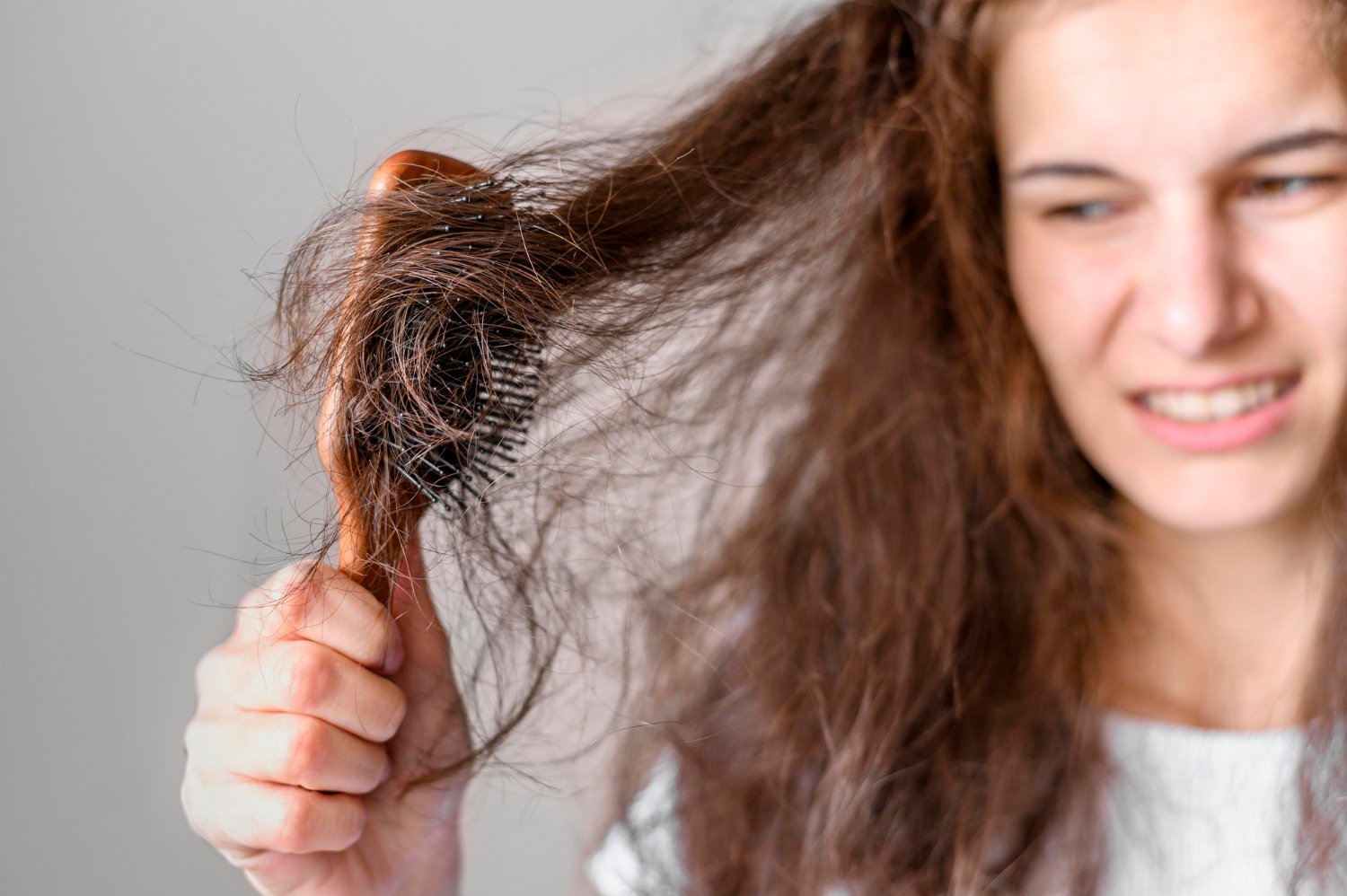
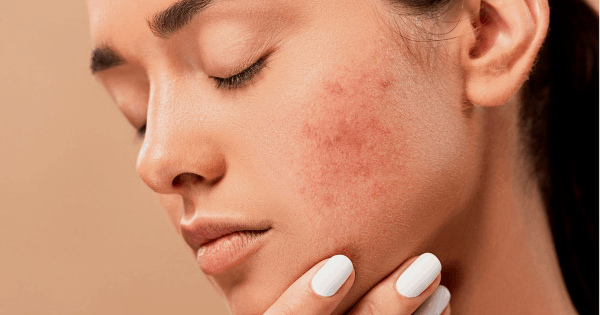
Hair fall is one of the most common concerns among women today. While mild shedding is normal, excessive or sudden hair loss can feel worrying and affect confidence. The good news is—most causes are treatable when diagnosed early by a dermatologist.
In this blog, we explore the medical reasons behind hair fall in women and the clinically proven treatments that can restore healthy hair growth.
What Is Considered Abnormal Hair Fall?
It’s normal to lose 50–100 strands per day.
But if you notice:
Hair thinning all over the scalp
Visible widening of your parting
Excessive hair on pillows, floors, and shower drains
Patches of sudden hair loss
Reduced hair volume
…it’s time to seek professional help.
Common Medical Causes of Hair Fall in Women
1. Hormonal Imbalances
Hormones play a major role in hair growth. Conditions such as:
…can trigger increased shedding or reduced hair density.
Why it happens: These imbalances shorten the hair growth cycle, leading to weak roots and slow regrowth.
2. Nutritional Deficiencies
Deficiencies are extremely common among Indian women. Low levels of:
Iron
Vitamin D
Vitamin B12
Zinc
Protein
…can severely impact hair growth.
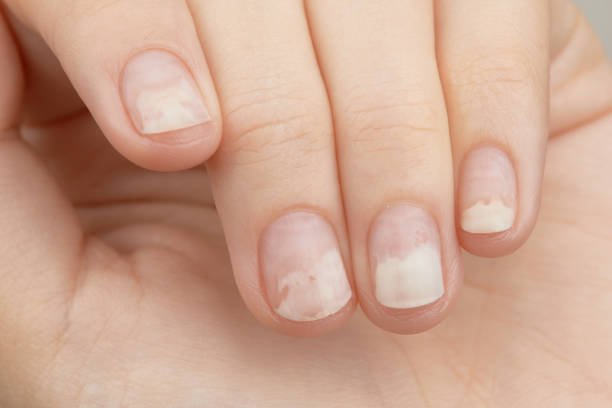
Signs: Fatigue, brittle nails, pale skin, frequent hair breakage.
3. Stress & Lifestyle Factors
Chronic stress triggers a condition called Telogen Effluvium, where large numbers of hair follicles go into the resting phase and fall out.
Triggers include:
Emotional stress
Illness
Crash dieting
Sudden weight loss
Surgeries
High fever
4. Androgenetic Alopecia (Female Pattern Hair Loss)
This is a genetic condition that leads to gradual thinning, especially on the crown and parting.
Symptoms: Hair becomes finer, weaker, and less dense over time.
5. Autoimmune Conditions
Alopecia Areata causes round or patchy bald spots due to the immune system attacking hair follicles.
6. Scalp Conditions
Inflammation or infections can disrupt hair growth.
Common issues:
These weaken the hair roots and lead to breakage or shedding.
7. Hair Styling Damage
Regular use of:
…can lead to traction alopecia and long-term damage.
Dermatologist-Approved Treatments for Hair Fall in Women
1. Medical Evaluation & Labs
A dermatologist may recommend tests like:
CBC
Thyroid profile
Iron studies
Vitamin D & B12 levels
Treating underlying deficiencies often shows visible improvements.
2. Topical Treatments
- Minoxidil: The most effective, FDA-approved solution for hair regrowth in women.
- Peptide serums & growth boosters: Improve scalp microcirculation and nourish roots.
3. Oral Medications
Based on diagnosis, the doctor may prescribe:
These should always be taken under medical supervision.
4. PRP (Platelet-Rich Plasma) Therapy
A highly effective treatment where platelet-rich plasma is injected into the scalp to:
Strengthen roots
Improve thickness
Boost regrowth
Ideal for androgenetic alopecia, telogen effluvium, and post-pregnancy hair fall.
5. GFC (Growth Factor Concentrate) Therapy
An advanced upgrade of PRP with better concentration and faster results.
6. Mesotherapy
Microinjections of vitamins & peptides that improve scalp health and reduce shedding.
7. Laser Hair Growth Therapy
Low-level laser technology improves blood flow and stimulates new growth.
8. Treating Scalp Conditions
When hair fall is due to dandruff, infection, or inflammation, dermatologists may prescribe:
How Long Does It Take to See Results?
Hair growth is slow.
Most women notice improvements within:
6–8 weeks: Reduced shedding
3 months: Visible density improvement
6 months: Stronger, healthier regrowth
Consistency is key!
Conclusion
Hair fall in women is treatable—but only when the underlying cause is identified correctly. With the right medical evaluation, professional treatments, and timely care, you can restore your hair’s strength, thickness, and health.
For personalised treatment, early diagnosis, and safe, dermatologist-supervised procedures, consult Dr. Naga Sridevi, Marredpally, Secunderabad’s trusted dermatologist for skin, hair, and nail concerns.